
Last Updated: October 26, 2026
Quick Summary
Capturing genuine connections in family portraits means photographing how your family actually relates, not how they perform for a camera. You give your family something real to do, then get out of the way, so real expressions, real touch and real personality come through.
- Short playful prompts like telling a sibling a secret replace posing and pull out real expressions.
- The most natural photos tend to happen between the 35 and 60 minute marks of a session.
- Give hands a job and send eyes to each other, not the lens, to avoid stiff frames.
- Handle camera-shy family members by giving them a task and never counting down.
- Fill out the pre-session questionnaire honestly, since those details become the prompts.
Table of Contents
- What Does Capturing Genuine Connections in Family Portraits Actually Mean?
- Family Photography Prompts That Pull Out Real Emotion
- Natural Family Photo Poses That Don’t Look Posed
- Family Photo Session Tips for Kids (and the Parents Chasing Them)
- How Long Should a Family Photography Session Length Be?
- How Do You Handle Camera-Shy Family Members Without a Fight?
- What Should You Do Before the Session to Get More Natural Photos?
- Ready to Book a Session That Feels Like Your Family?
- Frequently Asked Questions
What Does Genuine Connection in Portraits Mean?
Capturing genuine connections in family portraits means photographing how your family actually relates to each other, not how they perform for a camera.
At Vickshots, that idea shapes every session. Family portraits work best when nobody feels like they’re at a photo shoot.
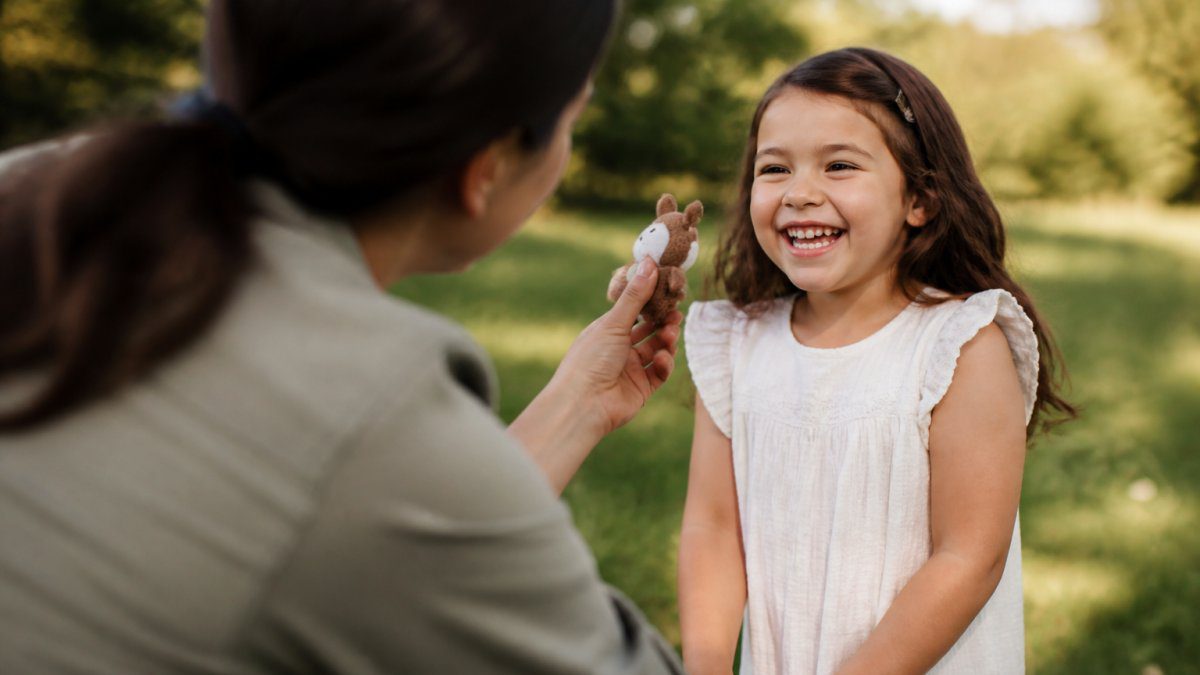
So what does it look like in practice? A kid whispering to a sibling. A dad catching a toddler mid-spin.
Here’s the honest part: you can’t force genuine moments. You set the table and wait for them.
Family Photography Prompts That Pull Out Real Emotion
Family photography prompts are short, playful instructions that give people something to do instead of something to pose.
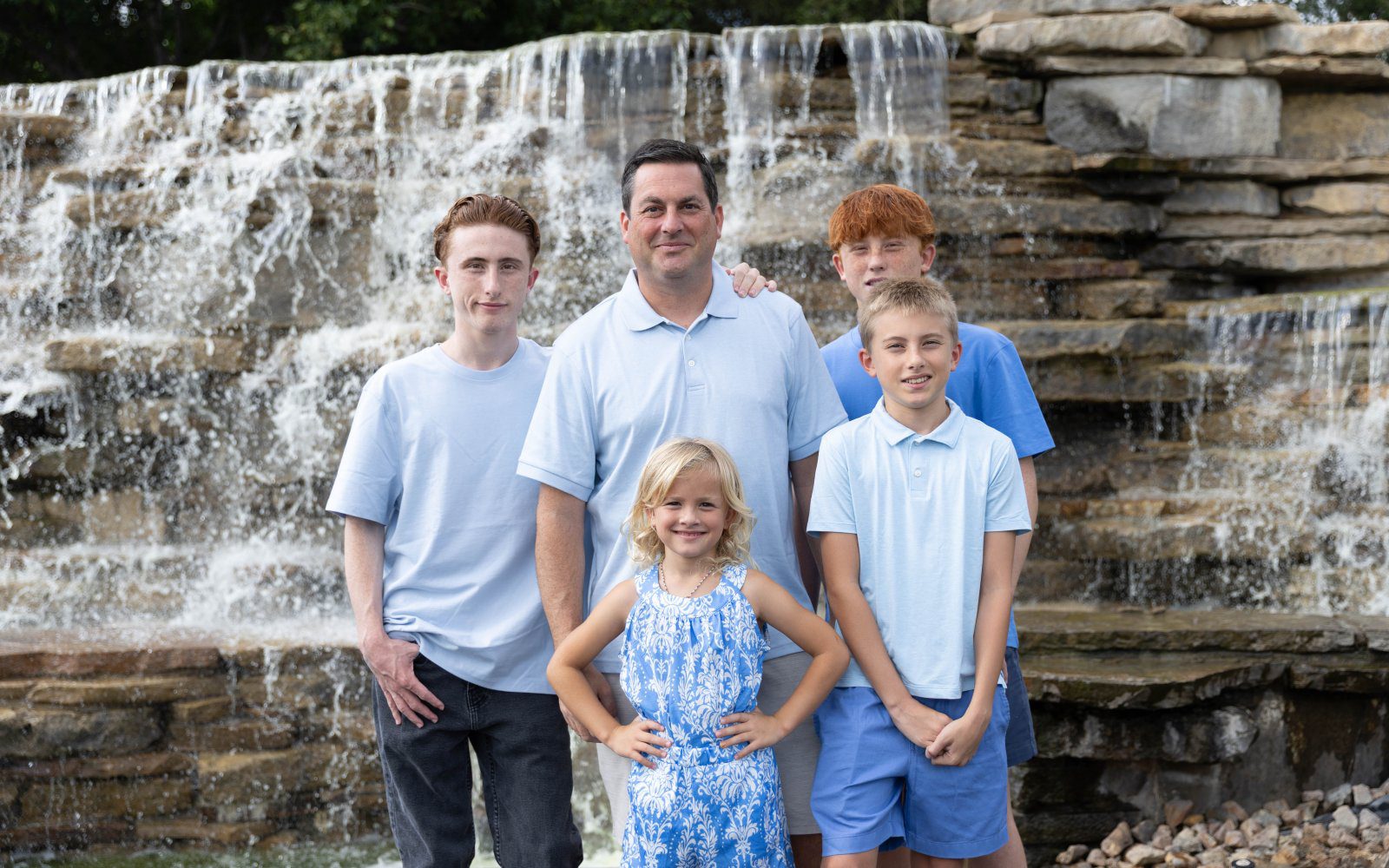
The best prompts fit your family’s real life. That’s why I send a short questionnaire before every session. Favorite snacks, favorite shows, games the kids love.
Prompts for Little Kids
Young kids don’t respond to “look here.” They respond to games.
- “Show me your best dinosaur stomp.”
- “Who can give the tightest hug?”
- “Tell Dad a secret about your day.”
- “Race to that tree and freeze when I say stop.”
Keep each one silly. If a child laughs, you got the shot.
Prompts for Teens Who Would Rather Be Anywhere Else
Teenagers are the tougher crowd, and I won’t pretend otherwise. The fix is respect. Don’t make them the center of attention.
Try prompts like:
- “Whisper the worst thing your brother did this week.”
- “Walk together and talk about your favorite show.”
- “Lean on Mom’s shoulder and roll your eyes at Dad.”
The questionnaire helps most here. When I ask a teen about their favorite game or band, they realize I see them as a person, not a prop. That changes everything.
Natural Family Photo Poses That Don’t Look Posed
Natural family photo poses aren’t really poses at all. They’re small frameworks that keep hands busy and bodies connected.
Here’s my rule: give a little direction, then let the family make it their own. The direction is the setup.
A few frameworks that work, and how I actually run them:
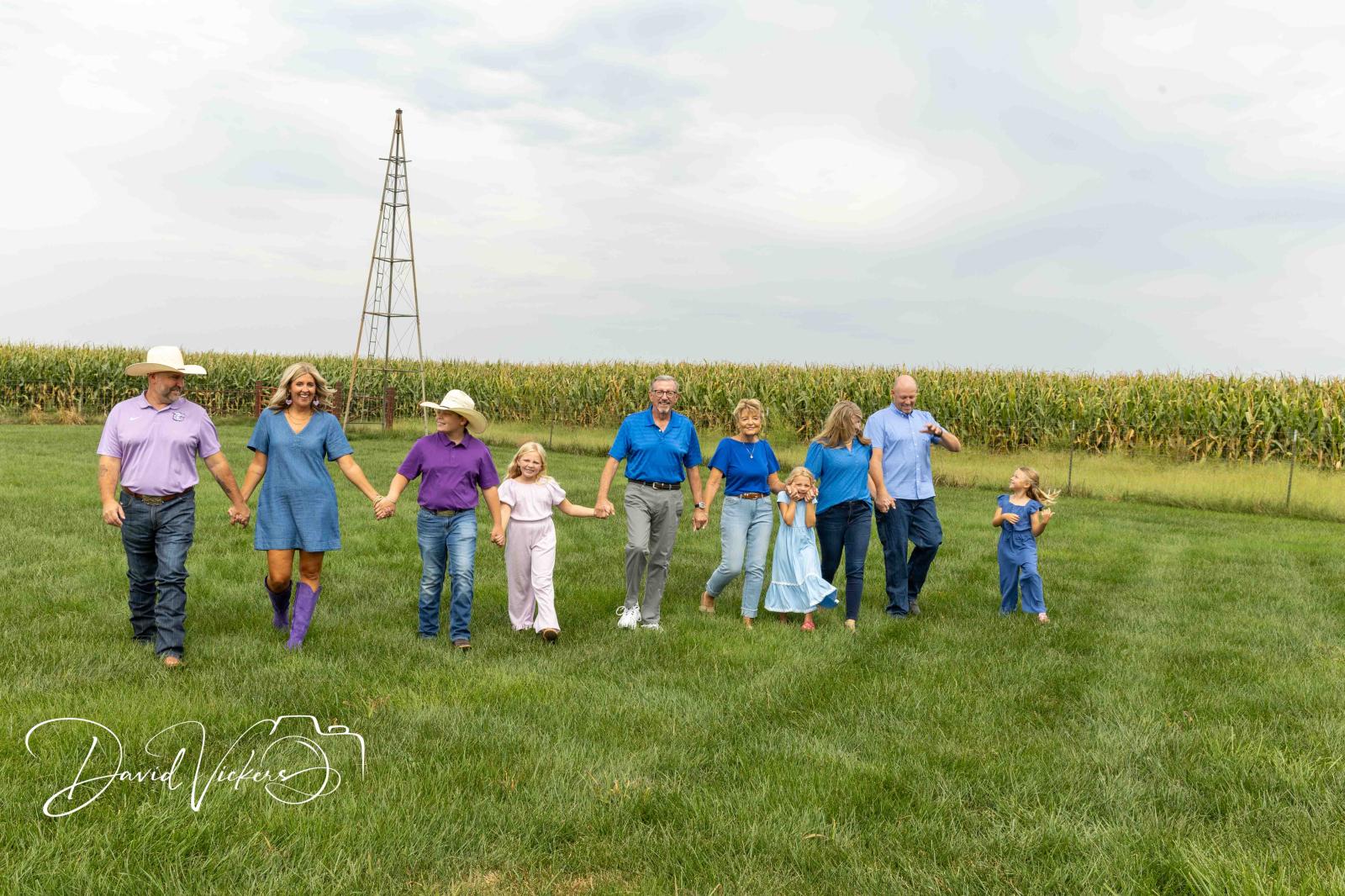
- The walk: Everyone holds hands and walks toward me, talking to each other. I start wide, let them close the distance, and shoot when someone laughs at what the kid just said. Walking kills the freeze, nobody knows where to put their hands when they’re moving.
- The pile: Sit close on a blanket with knees touching and arms overlapping. The trick is contact. Elbows resting on a sibling’s shoulder, a hand on a knee. Gaps between bodies are what make a group shot look like a lineup.
- The lift: A parent swings a kid between them. I count to three, they swing, and I shoot on the upswing. The expression is already there before the kid lands.
- The huddle: Heads together, like a team before a game. I put the tallest person in back and let everyone lean in. Leaning is the whole pose.
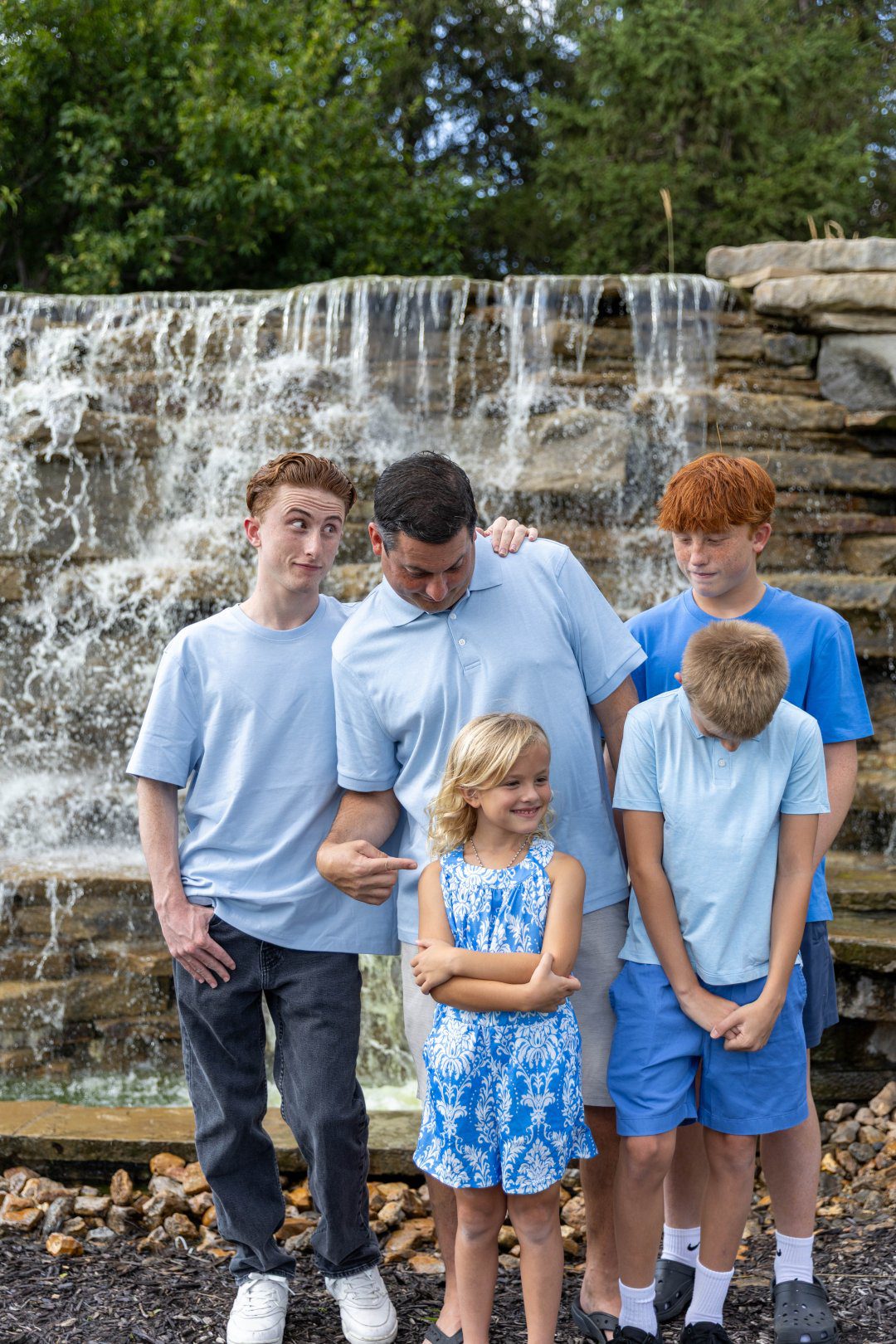
A few mechanics that matter more than the framework itself:
- Hands need a job. A hand in a pocket, on a shoulder, holding a leaf. Idle hands are what make people feel awkward.
- Eyes go to each other, not the lens. I’ll ask one person to look at another and say something true. The camera gets the reaction, not the stare.
- Leave a little space. Bodies touching but not stacked. You want to see the relationships, not a wall of shoulders.
- Shoot through the moment. I keep shooting after the laugh, because the second and third frames are usually looser than the first.
I also always take the classic posed shot. Families want one for the wall, and I get it.
If your family feels awkward in front of a camera, you’re not alone. For more natural posing tips for families who hate being photographed, I’ve put together a guide that walks through it.
Family Photo Tips for Kids and Busy Parents
Family photo session tips for kids boil down to three things: rest, food, and low pressure. A well-rested kid with something in their stomach is a different child than a hungry, tired one. Parents can bring snacks, and I’d rather you do.
A few more things that help:
- Schedule around nap time, not against it.
- Let kids warm up. Give them five minutes to run around before we start.
- Skip the “be good” speeches. Kids hear pressure and tighten up.
- Bring a favorite small toy or blanket for comfort.
- Dress for movement. Clothes kids can play in photograph better.
Younger kids are usually easier than teens. They forget the camera exists once the games start. Teens need the ice broken, and that’s what the questionnaire does.
For a deeper walkthrough, read how to get kids to cooperate for family photos.
How Long Should a Family Photography Session Length Be?
The ideal family photography session length is about an hour. In my experience, the most natural and relaxed photos tend to happen between the 35 and 60 minute marks.
A 30-minute session can work for a quick update. But it often ends right when everyone loosens up. If you’ve never booked a portrait session before, here’s what actually happens at a photo session.
Here’s how our sessions break down:
|
Session |
Time |
Outfits |
Photos Delivered |
|---|---|---|---|
|
Mini |
30 minutes |
1 |
25-30 edited |
|
Standard |
1 hour |
2 |
35-45 edited |
|
Extended |
1.5 hours |
3 |
50-75 edited |
Galleries arrive in 5-7 business days.
How to Handle Camera-Shy Family Members
You handle camera-shy family members by taking the spotlight off them. Don’t single them out. Don’t count down. Give them a job, keep them moving, and let them forget the lens is there.
A few approaches that work:
- Give a task. “Hold your sister’s hand and help her balance.”
- Shoot wide first. Start far back so they don’t feel watched.
- Pair them up. Put a shy kid with a favorite adult.
- Skip the cheese. No “say cheese,” ever.
- Let them opt out briefly. A short break beats a standoff.
Some family members need a few minutes to observe before they join. That’s fine. I’d rather wait than push. Patience gets better photos than pressure every time.
How to Prepare for More Natural Family Photos
Before the session, the most useful thing you can do is fill out the questionnaire honestly. The details you share become my prompts. Favorite snacks, shows, games, and inside jokes all turn into real smiles later.
Then handle the basics:
- Pick outfits that coordinate without matching exactly. Textures and layers photograph better than everyone in the same shirt.
- Feed everyone beforehand, and pack snacks. A hungry kid is a different kid.
- Arrive a few minutes early so nobody rushes in stressed.
- Choose a location with several backgrounds in one place, so we don’t drive between spots.
- Talk up the session as fun, not a chore. Kids pick up on how parents frame it.
I like spots with variety built in, like Loose Park, where gardens, fountains, and wooded areas sit close together. One location, several looks, and no car rides in the middle.
Plan Around Ages, Not Just Outfits
This is the part most prep lists skip. A session with a toddler and a session with three teenagers need different plans.
- Babies and toddlers: Schedule around nap time, not against it. Bring the comfort item. Expect to stop for a snack. I build in more time and shoot faster when they’re happy.
- Young kids: Five minutes to run around before we start does more than any instruction. Let them warm up on their terms.
- Teens: The questionnaire does the heavy lifting. When I ask about a favorite game or band, they realize I see them as a person, not a prop. I also give teens a job, hold the little one, carry the blanket, so they’re not standing there being watched.
- Multigenerational groups: I plan the big group shots first while everyone’s fresh, then break into smaller pairings. Grandparents tire faster, and the little kids don’t last as long in a crowd.
Comfort, Sensory Needs, and Boundaries
Some family members need a quieter start, and that’s worth planning for, not apologizing for.
- Tell me ahead of time. If a child is sensitive to noise, crowds, or being touched, say so on the questionnaire. I’ll pick a quieter corner of the location and keep the pace slower.
- Let people opt out briefly. A short break beats a standoff. Nobody has to be in every frame.
- No surprises. I won’t count down or spring a pose on someone who hates being the center of attention.
- Ask before directing touch. A hand on a shoulder is a pose to me and a boundary to someone else. I ask, then I shoot.
A family that feels safe in front of the camera gives you better photos than a family that’s been told to smile. Patience gets there faster than pressure.
Ready to Book a Session That Feels Like Your Family?
Capturing genuine connections in family portraits comes down to a simple idea: give your family something real to do, then get out of the way. The laughter, the hugs, the whispered secrets, those are the frames worth keeping.
Vickshots is lifestyle family photography, not a full-day documentary shoot.
If your kids never sit still or your teen would rather be anywhere else, good. When you’re ready, you can book a photo session in Kansas City.
Family Portrait Connection FAQs
How do you capture genuine connections in family portraits?
The short answer: give families something to do instead of something to look at. I use a short questionnaire before the session to learn favorite snacks, shows, and games, then turn those answers into prompts during the shoot. When a family is laughing at a shared joke or mid-game, the connection shows up on its own. I add just enough direction to keep everyone comfortable, then let the moment run. Family portraits work best when nobody is performing for the camera.
How can you make family photos feel less posed?
Start with natural family photo poses that give hands and bodies a job: walking toward the camera, foreheads touching, a piggyback ride, or everyone piled on a blanket. I still take the classic posed shot most families want for the wall, but I shoot it first and quickly. After that, the session moves into movement and interaction. The less time a family spends holding a stiff position, the more real expressions come through in the final gallery.
What prompts help families relax during a photo session?
Good family photography prompts are specific and a little silly. Ask a kid to tell the worst joke they know. Have parents whisper their favorite thing about each child. Ask siblings to give each other a compliment without laughing. These prompts give people something to focus on besides the lens. I also use the pre-session questionnaire answers, like a favorite show or game, to break the ice, especially with teenagers who would rather be somewhere else.
How long should a family photography session last?
An hour is usually the sweet spot. In my experience, the most natural and relaxed photos tend to happen between about the 35 and 60 minute marks, once kids realize they have their parents’ full attention. A 30-minute mini session works for quick updates or young kids on a tight schedule. Longer extended sessions fit big families or multigenerational groups. The right family photography session length depends on how many people are in the frame and how much warm-up time they need.